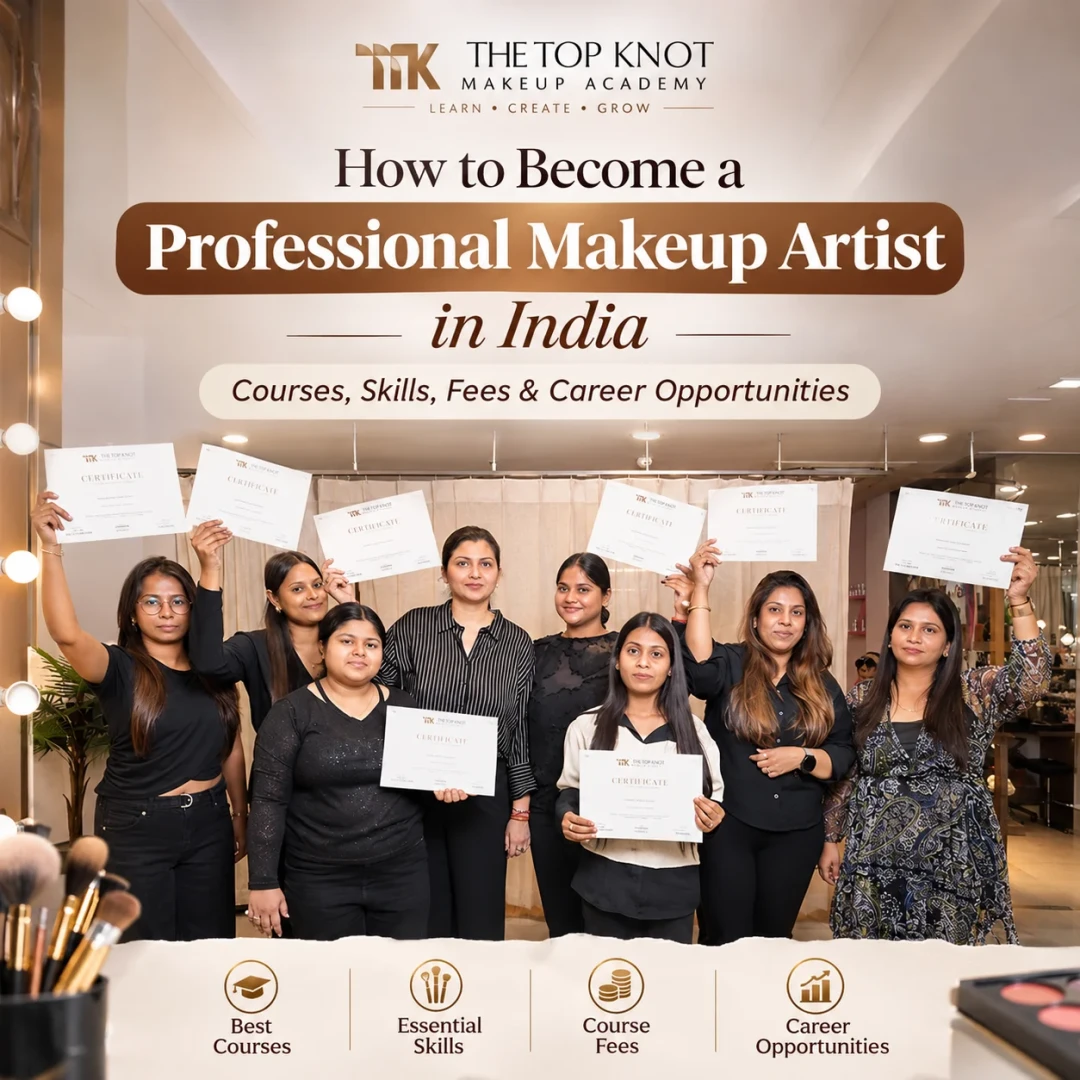
How to Become a Professional Makeup Artist in India: Courses, Skills, Fees & Career Opportunities
Discover how to become a professional makeup artist in India with this complete beginner-friendly guide. Learn about professional makeup artist courses, eligibility, course syllabus, training, fees, essential skills and career opportunities. Explore different makeup specialisations, understand how to build a professional portfolio and get practical tips for starting a career in bridal, freelance, salon, fashion and beauty makeup. If you are looking for a makeup artist course in Lucknow or Kanpur, this guide will help you understand what to consider when choosing a makeup academy and professional training programme.
The beauty and makeup industry offers exciting opportunities for people who are passionate about creativity, beauty, fashion and personal styling. From bridal transformations and fashion shoots to television, films, beauty campaigns and freelance assignments, professional makeup artists can build careers across several segments of the industry.
But how do you become a professional makeup artist in India? Do you need a formal qualification? Which makeup artist course should you choose? How much does professional makeup training cost, and what career opportunities can you explore after completing a course?
If you are a beginner or someone looking to turn an interest in makeup into a professional career, this guide will help you understand the learning process, essential skills, course options, fees, career paths and practical steps involved in becoming a makeup artist.
Whether you are exploring a makeup artist course in India, considering professional training in Lucknow or Kanpur, or simply researching how to enter the beauty industry, here is what you should know before taking your first step.
What Does a Professional Makeup Artist Do?
A professional makeup artist is trained to create makeup looks according to a client's requirements, facial features, skin type, occasion, outfit and personal preferences.
Unlike everyday makeup application, professional makeup artistry involves understanding skin preparation, colour theory, product selection, complexion matching, facial structure, hygiene and different makeup techniques.
A professional makeup artist may work with:
-
Brides and wedding clients
-
Models and fashion professionals
-
Actors and performers
-
Photographers and production teams
-
Beauty and lifestyle brands
-
Individual clients for parties and special occasions
Professional makeup artists may specialise in bridal makeup, HD makeup, airbrush makeup, fashion makeup, editorial looks, television makeup or other areas of beauty and creative styling.
The profession combines technical knowledge, artistic ability, communication and practical experience.
How to Become a Professional Makeup Artist in India
Becoming a professional makeup artist requires more than learning how to apply foundation, eyeshadow or lipstick. You need structured learning, hands-on practice, an understanding of products and the ability to work confidently with different clients.
Here is a step-by-step approach to starting your career.
1. Develop an Interest in Makeup and Beauty
Start by understanding why you want to become a makeup artist. You may enjoy experimenting with makeup, creating different looks, following beauty trends or helping people feel confident.
Explore different makeup styles, including:
-
Natural and minimal makeup
-
Soft glam makeup
-
Bridal makeup
-
Party and occasion makeup
-
HD makeup
-
Editorial and fashion makeup
-
Traditional and contemporary makeup
Understanding these styles will help you identify the areas that interest you most.
You do not need to master every technique before starting professional training. A genuine interest in learning and practising is a useful starting point.
2. Enrol in a Professional Makeup Artist Course
A structured professional makeup artist course can help you develop the technical foundation required to work with clients.
Professional training generally covers important areas such as skin preparation, colour theory, complexion products, face and eye makeup techniques, hygiene, product knowledge and practical application.
When choosing a makeup artist course, look beyond the course name. Check the curriculum, practical training opportunities, trainer experience, batch structure, learning support and whether students get opportunities to build a portfolio.
Beginners can benefit from a course that starts with fundamental techniques and gradually introduces more advanced makeup applications.
Explore The Top Knot Makeup Academy to learn more about its academy and training information.
3. Learn Skin Preparation and Product Knowledge
Good makeup begins with understanding the skin.
A professional makeup artist should know how to assess different skin types and prepare the skin appropriately before applying makeup.
Important topics include:
-
Understanding dry, oily, combination and sensitive skin
-
Basic skin preparation
-
Moisturisers and primers
-
Foundation and concealer selection
-
Colour correction
-
Powder and setting products
-
Product textures and finishes
-
Basic hygiene and product safety
Choosing the right products and application techniques can make a significant difference to the final makeup result.
It is equally important to understand when a product or technique may not be suitable for a particular client.
4. Practise Different Makeup Techniques
Practical experience is essential for developing professional makeup skills.
Practise on different face shapes, skin tones and skin types to understand how makeup techniques and product choices affect the final appearance.
Focus on improving:
-
Foundation application and blending
-
Concealer placement
-
Contouring and highlighting
-
Blush application
-
Eyebrow shaping and filling
-
Eyeshadow blending
-
Eyeliner and lash application
-
Lip shaping and colour application
-
Makeup setting and finishing
Do not focus only on creating one attractive look. Learn how to adapt techniques to different clients and occasions.
Consistent practice helps improve speed, precision, product control and confidence.
5. Understand Different Makeup Styles and Specialisations
Once you have developed the basics, explore different areas of makeup artistry.
Some artists prefer bridal makeup, while others enjoy fashion, editorial, party or creative makeup.
Understanding these specialisations can help you choose a direction for your career.
For example, bridal makeup requires an understanding of long-wear application, photography, event conditions and individual bridal preferences. Editorial makeup may involve more creative concepts, visual storytelling and collaboration with photographers or stylists.
Explore different styles before deciding which area you want to specialise in.
6. Build a Professional Makeup Portfolio
A portfolio allows potential clients and collaborators to understand your makeup style and technical ability.
Start documenting your practice work and professionally completed looks, with appropriate permission from the people featured.
A useful makeup portfolio may include:
-
Natural makeup looks
-
Soft glam and party makeup
-
Bridal-inspired looks
-
Different skin tones and complexion matches
-
Eye makeup variations
-
Before-and-after photographs
-
Close-up images showing blending and finishing
Use clear, well-lit photographs. Avoid excessive filters or editing that changes the actual makeup result.
As your experience grows, update your portfolio with your best work.
7. Develop Client Communication and Professional Skills
Makeup artistry is a client-facing profession. Technical skills alone are not enough to build a sustainable career.
You should also learn how to:
-
Understand a client's expectations
-
Discuss makeup preferences and inspiration
-
Recommend suitable looks
-
Manage appointment schedules
-
Maintain hygiene and professional conduct
-
Communicate pricing and service details clearly
-
Handle feedback politely
-
Work with photographers, hairstylists and event teams
Good communication helps build trust and encourages positive client experiences.
8. Gain Experience and Start Taking Professional Assignments
After developing your skills, look for opportunities to gain practical experience.
Depending on your training and confidence, you may begin by assisting an experienced makeup artist, working on portfolio projects, collaborating with photographers or accepting suitable individual assignments.
Start with work that matches your current skill level. Continue practising, collecting feedback and improving your techniques.
Professional growth takes time. Consistency, reliability, hygiene and the quality of your work all contribute to building a reputation.
Which Makeup Artist Course Should Beginners Choose?
If you are new to makeup artistry, choose a course that covers the fundamentals before moving into advanced techniques.
A makeup artist course for beginners should ideally introduce students to the complete makeup application process rather than focusing only on individual looks.
Before enrolling, compare the following course features:
| Course feature | Why it matters |
| Basic makeup techniques | Builds a strong foundation |
| Skin Preparation | Helps prepare different skin types |
| Colour theory | Supports better shade and colour selection |
| Product knowledge | Helps with suitable product choices |
| Practical demonstrations | Shows how techniques are applied |
| Hands-on practice | Develops confidence and control |
| Hygiene practices | Supports safe and professional work |
| Portfolio guidance | Helps document your skills |
| Trainer feedback | Identifies areas for improvement |
The right course depends on your existing experience, learning goals, preferred specialisation and the type of work you want to pursue.
What Is Included in a Professional Makeup Artist Course Syllabus?
A makeup artist course syllabus can vary between academies and training levels. However, a comprehensive professional training programme may cover the following subject areas.
1. Introduction to Makeup Artistry
-
Introduction to professional makeup
-
Understanding makeup tools and products
-
Basic makeup terminology
-
Professional conduct and client interaction
2. Skin Preparation and Complexion Makeup
-
Skin types and basic skin assessment
-
Cleansing and moisturising principles
-
Primer selection
-
Foundation matching
-
Concealer application
-
Colour correction
-
Contouring and highlighting
-
Powder application and setting
3. Eye Makeup Techniques
-
Understanding eye shapes
-
Eyeshadow application and blending
-
Eyeliner techniques
-
Eyebrow definition
-
Lash application
-
Day and evening eye makeup
4. Face and Lip Makeup
-
Blush placement
-
Face shaping
-
Highlighting techniques
-
Lip preparation
-
Lip lining and colour application
-
Balancing face and lip makeup
5. Different Makeup Looks
Depending on the course, training may introduce students to:
-
Natural makeup
-
Party makeup
-
Soft glam makeup
-
Traditional makeup
-
Bridal makeup
-
HD makeup
-
Airbrush makeup
-
Fashion and editorial makeup
6. Hygiene and Professional Practices
-
Cleaning and maintaining brushes
-
Product handling
-
Disposable applicators
-
Personal and client hygiene
-
Professional workstation practices
7. Practical Application and Portfolio Development
Hands-on application, trainer feedback and portfolio development can help students understand how to translate classroom learning into real-world makeup work.
Important: Course modules, practical hours and specialisations differ between academies. Always request the latest official syllabus before enrolling rather than assuming that every programme includes all the techniques listed above.
What Are the Eligibility Requirements for a Makeup Artist Course?
One of the most common questions beginners ask is whether they need a specific educational qualification to become a makeup artist.
In many cases, professional makeup training is open to beginners who have an interest in beauty and a willingness to learn. However, eligibility requirements depend on the academy and the particular course.
Before applying, check:
-
Minimum age requirements, if applicable
-
Educational requirements, if any
-
Previous makeup experience requirements
-
Course language and learning format
-
Required documents
-
Admission and batch details
You do not necessarily need to be an experienced makeup artist before enrolling in beginner-level training.
The most important qualities are interest, creativity, patience, attention to detail and a commitment to regular practice.
How Much Does a Makeup Artist Course Cost in India?
The makeup artist course fees in India vary considerably depending on the academy, course level, duration, training format and subjects included.
A beginner-level programme may have a different fee structure from an advanced or specialised professional course.
Factors that can influence course fees include:
-
Course duration and number of training hours
-
Beginner, intermediate or advanced level
-
Number of practical sessions
-
Trainer experience
-
Makeup techniques covered
-
Products and tools provided during training
-
Learning materials
-
Portfolio development support
-
Certification or assessment arrangements, where applicable
What Should You Check Before Paying Course Fees?
Do not choose a makeup academy based only on the lowest advertised price.
Ask for a clear fee breakdown and confirm:
-
What is included in the total course fee?
-
Are makeup products and tools provided during training?
-
Are there additional charges?
-
How much practical training is included?
-
Is there a written course syllabus?
-
What are the attendance and completion requirements?
-
What type of certificate, if any, is awarded?
-
What is the refund or cancellation policy?
Compare the overall learning experience, not just the advertised fee.
For accurate and updated pricing, request the official fee details directly from the academy.
How Long Does It Take to Become a Makeup Artist?
There is no single fixed duration for becoming a professional makeup artist.
The time required depends on the training programme, learning pace, practice frequency and the level of expertise you want to develop.
A short introductory course may focus on essential techniques, while a more comprehensive programme may include additional specialisations and practical learning.
Your development also continues after completing formal training.
You may need additional time to:
-
Practise different makeup styles
-
Improve blending and application techniques
-
Work with different skin tones
-
Build a professional portfolio
-
Develop client-handling skills
-
Gain experience through assignments
Remember that completing a course is an important learning milestone, not an automatic guarantee of professional mastery.
Essential Skills Every Professional Makeup Artist Should Have
A successful makeup artist combines creativity with technical knowledge and professional behaviour.
Here are some of the most important skills to develop.
1. Colour Theory
Understanding colour helps you select suitable foundation shades, concealers, correctors, eyeshadows and lip colours.
2. Skin and Complexion Matching
Different skin tones, undertones and skin types require thoughtful product selection and application techniques.
3. Blending and Precision
Smooth blending, controlled product application and attention to detail are essential for creating polished makeup looks.
4. Knowledge of Makeup Products
A professional artist should understand product textures, finishes, application methods and appropriate usage.
5. Creativity and Visual Understanding
Creativity helps artists adapt makeup looks to different occasions, outfits, personalities and visual concepts.
6. Time Management
Working with clients often involves appointments and event schedules. Managing time effectively helps maintain a smooth service experience.
7. Communication Skills
Listening carefully and understanding a client's expectations are essential parts of delivering a suitable makeup look.
8. Hygiene and Professional Responsibility
Cleaning tools, handling products appropriately and following good hygiene practices are important professional responsibilities.
Career Opportunities After Completing a Makeup Artist Course
A professional makeup artist course can help you prepare for different career paths in the beauty and creative industries.
Your opportunities will depend on your practical skills, portfolio, experience, specialisation and professional network.
1. Bridal Makeup Artist
Bridal makeup is a popular specialisation for artists interested in weddings and occasion-based beauty services.
Bridal makeup artists work with clients to create looks that complement their preferences, outfits, skin tone, event setting and photography requirements.
Explore professional bridal makeup services at The Top Knot to understand the bridal makeup service category.
2. Freelance Makeup Artist
Freelance artists work independently and may provide makeup services for weddings, parties, photoshoots, personal events and other occasions.
Freelancing requires both makeup expertise and business skills, including client communication, scheduling, pricing and marketing.
3. Salon Makeup Artist
A makeup artist may work with a beauty salon or professional studio, offering makeup services to individual clients.
This path can provide opportunities to gain experience in a professional service environment.
4. Fashion and Editorial Makeup Artist
Fashion and editorial makeup artists collaborate with photographers, designers, models and creative teams.
Their work may involve campaign shoots, fashion editorials, portfolio shoots and creative makeup concepts.
5. Film, Television and Production Makeup Artist
Artists with relevant specialised skills and industry experience may explore opportunities in film, television, theatre and other production environments.
These roles may require additional training, adaptability and an understanding of production requirements.
6. Beauty Content Creator
Makeup artists can also create educational or creative beauty content for digital platforms.
Content may include makeup tutorials, product demonstrations, technique explanations, transformations and professional tips.
7. Makeup Educator or Trainer
Experienced makeup professionals may eventually explore teaching and training opportunities, depending on their expertise and relevant qualifications.
Developing strong technical skills and the ability to explain techniques clearly are important for this path.
How Much Can a Professional Makeup Artist Earn in India?
A makeup artist's income in India can vary widely. There is no fixed salary or guaranteed earning level for everyone entering the profession.
Income depends on several factors, including:
-
Location and local demand
-
Professional experience
-
Technical skills and specialisation
-
Quality of portfolio
-
Type and number of assignments
-
Client base and professional reputation
-
Employment or freelance work arrangement
-
Business and marketing ability
A salaried makeup artist may receive a regular income based on their role and employer. A freelance makeup artist may charge per assignment, but earnings can fluctuate depending on bookings, seasonality, expenses and client demand.
Bridal and specialised makeup services may have different pricing structures from everyday or party makeup.
Instead of relying on general salary claims, research local market rates and build your pricing according to your skills, experience, service costs and target clients.
How to Choose the Best Makeup Academy in India
Choosing the right makeup academy is one of the most important decisions when starting your career.
A good training environment should help you understand the fundamentals, practise techniques and develop professional confidence.
Consider these factors before enrolling.
1. Check the Course Curriculum
Ask for a detailed syllabus. Make sure you understand what is covered and whether the course matches your learning goals.
2. Understand the Practical Training Structure
Makeup is a hands-on skill. Find out how much practical application is included and whether students receive individual feedback.
3. Research the Trainers
Look into the trainers' professional backgrounds, relevant experience and teaching approach.
4. Review Student Work and Portfolios
Where available, examine student portfolios and examples of training outcomes. Look for clear, authentic work rather than relying only on promotional images.
5. Ask About Products and Tools
Understand which products, brushes and tools are available during training and whether students need to purchase anything separately.
6. Confirm Certification Details
Ask who issues the certificate, what the completion requirements are and whether any external recognition or accreditation is claimed.
Do not assume that every academy certificate is equivalent to a government-recognised qualification.
7. Compare Fees and Course Support
Understand the total cost, course schedule, practical sessions, learning support and any additional charges before making a decision.
8. Visit the Academy or Speak to the Team
If possible, visit the training facility or speak with the academy team. Ask questions about the course structure, admission process and learning environment.
The best makeup academy for you is one that aligns with your learning goals, budget, preferred location and professional ambitions.
Why Consider a Makeup Artist Course in Lucknow or Kanpur?
Students in Uttar Pradesh who want to learn professional makeup artistry may prefer training closer to home.
Searching for a makeup artist course in Lucknow or a makeup artist course in Kanpur can help you discover local training options and compare their curriculum, practical learning, trainers and admission details.
When researching a local academy, consider:
-
Location and travel convenience
-
Course curriculum and learning level
-
Practical training opportunities
-
Trainer experience
-
Course fees and inclusions
-
Batch schedules
-
Admission requirements
-
Student work and portfolio examples
Explore The Top Knot Makeup Academy
The Top Knot is a salon and makeup academy brand serving the Lucknow and Kanpur markets.
If you are exploring professional makeup training, you can learn more about The Top Knot Makeup Academy and review its available training information.
You can also explore The Top Knot's makeup artist courses to understand the course options and identify the programme that may suit your learning goals.
For current course availability, syllabus, fees, duration and admission details, contact the academy directly.
Tips for Building a Successful Makeup Artist Career
Completing a course can give you a foundation, but long-term progress depends on how consistently you improve your skills and professional approach.
Use these practical tips as you develop your career.
Practise Consistently
Regular practice helps improve blending, precision, product control and application speed.
Work With Different Skin Tones
Learning to work with a range of skin tones and undertones helps you become more adaptable.
Keep Learning New Techniques
Beauty trends, products and client preferences change. Continue learning and refining your techniques.
Build an Authentic Portfolio
Document your best work with clear photographs and appropriate permission from clients or models.
Develop Your Professional Network
Connect with photographers, hairstylists, wedding planners, salons and other beauty professionals.
Maintain Your Tools and Hygiene
Clean tools, appropriate product handling and good hygiene should remain part of your daily professional routine.
Create a Professional Online Presence
Use social media and a portfolio to showcase your work, explain your services and make it easier for potential clients to contact you.
Be Patient With Your Progress
Building a professional reputation takes time. Focus on improving the quality of your work, understanding client needs and delivering a reliable experience.
Frequently Asked Questions About Becoming a Makeup Artist
1. How can I become a professional makeup artist in India?
Start by learning basic makeup techniques, enrolling in a suitable professional makeup artist course, practising on different skin types and tones, building a portfolio and gaining practical experience. Continue improving your skills as you take on professional assignments.
2. Can I become a makeup artist without prior experience?
Yes, many beginner-level makeup courses are designed for people who are new to makeup artistry. Check the academy's eligibility criteria and choose a programme that teaches fundamental techniques.
3. Which course is best for becoming a professional makeup artist?
The right course depends on your career goals. Look for structured training that covers skin preparation, colour theory, complexion makeup, eye makeup, product knowledge, hygiene and practical application.
4. What is the eligibility for a makeup artist course?
Eligibility varies by academy and programme. Some beginner courses may accept students without previous professional experience. Always confirm the age, education and admission requirements directly with the training provider.
5. How much are makeup artist course fees in India?
Fees vary according to course duration, training level, practical sessions, trainer experience, curriculum and included products or tools. Request an official fee breakdown before enrolling.
6. How long does a professional makeup artist course take?
Course duration depends on the programme and level of training. Short introductory courses and comprehensive professional programmes may have different schedules. Check the official course duration before admission.
7. Is makeup artistry a good career option in India?
Makeup artistry can be a rewarding career for people who enjoy beauty, creativity and client interaction. Career opportunities may include bridal makeup, freelancing, salons, fashion, production and beauty education. Success depends on skills, experience, portfolio and professional consistency.
8. Can I become a freelance makeup artist after completing a course?
Yes, you can explore freelance work after developing the necessary skills and practical confidence. You should also learn client communication, appointment management, pricing, hygiene and portfolio presentation.
9. What skills are required to become a makeup artist?
Important skills include colour theory, skin preparation, foundation matching, blending, eye makeup, product knowledge, creativity, communication, time management and hygiene practices.
10. Where can I learn professional makeup artistry in Lucknow?
You can compare local makeup academies in Lucknow by reviewing their course syllabus, trainers, practical training, fees, learning environment and admission requirements. Explore The Top Knot Makeup Academy for its academy information.
11. Is there a makeup artist course in Kanpur?
Students can research makeup training options in Kanpur and compare the curriculum, course level, practical sessions, fees and admission details. You can also review The Top Knot's makeup artist course information.
12. What career options are available after a makeup artist course?
Career options may include bridal makeup artist, freelance makeup artist, salon makeup professional, fashion and editorial artist, production makeup artist, beauty content creator and, with suitable experience, makeup educator.
13. Do makeup artists need a certificate?
A certificate may be useful for documenting course completion, but requirements vary by employer, client and professional role. Practical ability, portfolio quality, hygiene and experience are also important. Always verify the issuing body's credentials and any accreditation claims.
14. Can I start my own makeup business after training?
You can work towards starting an independent makeup business after developing your technical skills and understanding business essentials such as pricing, budgeting, client management, marketing, hygiene and service delivery.
Start Your Journey Towards a Professional Makeup Artist Career
Becoming a professional makeup artist is a journey that combines creativity, technical learning, practical experience and continuous improvement.
Whether you want to work as a bridal makeup artist, build a freelance business, join a salon or explore opportunities in fashion and beauty, the right training can help you develop a strong foundation.
Before enrolling, compare the course syllabus, practical training, trainers, fees and learning support to make an informed decision.
If you are exploring professional makeup training in Lucknow or Kanpur, take the time to understand the available programmes and choose one that aligns with your career goals.
Ready to explore professional makeup training?
Discover The Top Knot Makeup Academy, review available makeup artist courses and contact the academy team for current course, fee and admission information.
